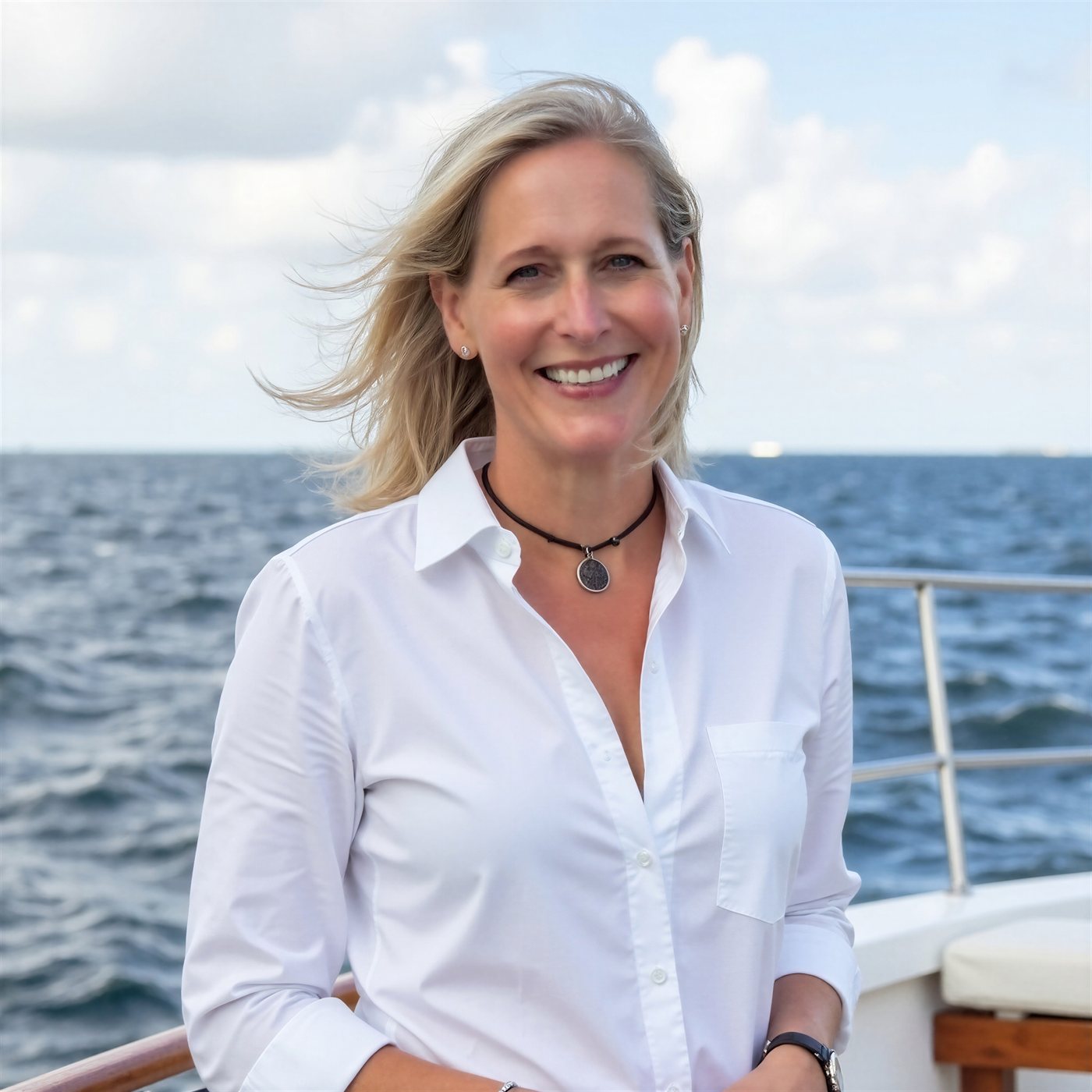
"I started in technology, fell in love with financial planning, and dove deep into the study of human behavior. This intersection of data, finance, and psychology turned out to be exactly where advisors needed help the most."— Erin M. Coe, Database Designer · CFP® · CFT-I™
A background that bridges both worlds
BS, Information Technology — Database Designer
Most people who do this work come from finance and pick up systems knowledge by working in CRMs. I studied the underlying technology, with an education in how relational data is structured, stored, and retrieved. That foundation shapes everything: how I design a CRM, how I map an integration, how I think about what information needs to live where and why. I understand not just what a system does, but how it should be structured for speed and stability — and that changes the quality of what gets built.
Certified Financial Planner™ (CFP®)
The CFP® credential means I speak your language and understand the full arc of a financial planning engagement. I am familiar with the complexity, the compliance requirements, and the client relationships. I understand that no two firms are alike in how they serve their clients, prep for meetings, or prioritize their tasks. I don't build operational systems based on theory, generalities or abstraction; I build them around what actually happens in the world and fine tune that to what you want to see happen your unique advisory firm.
Certified Financial Therapist (CFT-I™)
Professional training in psychology that includes motivations, behaviors, and biases gives me additional insight into how well-designed processes can make employees feel confident and empowered in their work. I use this knowledge to build workflows that make a clear path for employees to follow and embed resources and knowledge directly into each step for easy reference. I set standards for timeframes, accountability, and clear hand-offs. In short, I design workflows that account for how people function best under real-world conditions, not just how we wish they would.
Why This Work
My IT background gave me a way to see how information flows, where systems break, and how to build something that holds up under real-world pressure. My CFP® gave me the language to understand what advisors actually need from those systems. I've found my purpose in using it to help advisors run their firms more efficiently so they can serve more people, and serve them well.
Proven Design Principles for Better Systems
My approach to operational design is shaped by organizational research that fundamentally changed how I view organizations, their systems and the people that interact with them. Dan Heath argues that most problems are the result of systems, not people: if something isn't working, the answer is to redesign the environment, not blame the individuals in it. Atul Gawande shows how simple, well-designed processes prevent failure and free people to do their best work. And Donella Meadows illuminates how systems interact to produce certain outcomes -- sometimes in surprising ways!
Together, these perspectives and others shape how I approach a systems review: I find where the system is working against people, redesign it to work for them, and build in the guardrails that make the right action the natural one. This helps users do their best work, even on their worst day.
The systems I build are easy to follow, satisfying to use, and structured so that the right action is always the path of least resistance. I look for leverage points — small, high impact changes that improve the whole — and build them in ways that are repeatable and scalable. Good operations don't just tell people what to do, they guide them gracefully through the entire process.
This commitment to thoughtful design ensures that advisors and staff do great work each and every time they utilize the system. Doesn't matter if it's their first day, their worst day, or just another Tuesday.